


Cart 0
In another segment I discussed several discovered signet seal impressions of Jerusalem officials from the Biblical reign of King Zedekiah, the last Biblical king of Jerusalem. Now, I want to take a look at several MORE signet seals and impressions of men that undoubtedly would have known the Biblical prophet, Jeremiah.
The first two have to do with the High Priest Hilkiah who served during the reign of godly king Josiah when Jeremiah was a young man. The first seal impression was found in an official excavation in 1982 and it says, “Belonging to Azariah, son of Hilkiah” and the second is a physical seal made of a blue stone that was bought on the antiquities market in 1980 and it says, “Belonging to Hanan, son of Hilkiah the priest.” By looking at the carving and styles these seals represent, researchers believe they may have been carved by the same craftsman, and of course they date to the same time, during the lifetime of the prophet Jeremiah. Hilkiah the priest was the one who discovered the book of the Law that continued to inspire King Josiah’s faithfulness to God, and according to Ezra 7, Ezra the scribe was a direct descendant of Hilkiah and his son Azariah.
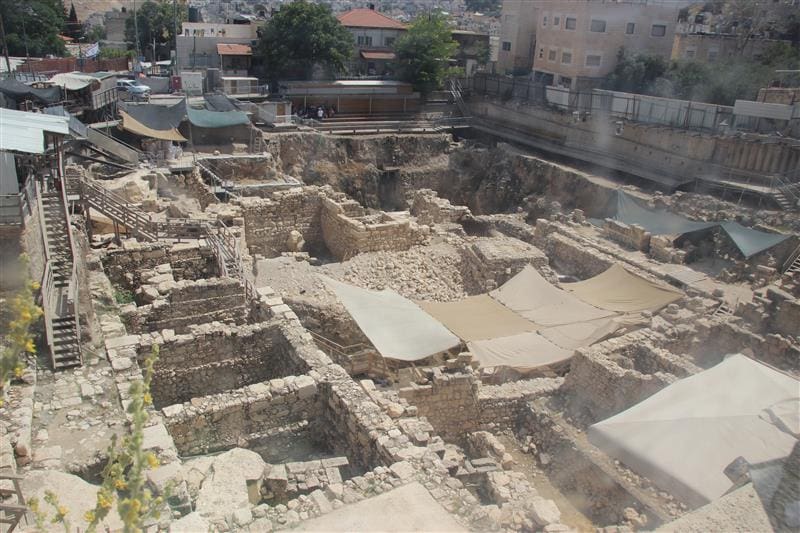
There has also been an official of King Josiah whose bulla impression was discovered in 2019 in the Givati parking lot excavations in Jerusalem. It reads, “Belonging to Nathan-Melech servant of the King” Nathan Melech is mentioned in 2 Kings 23:11 as having a chamber in the temple complex.
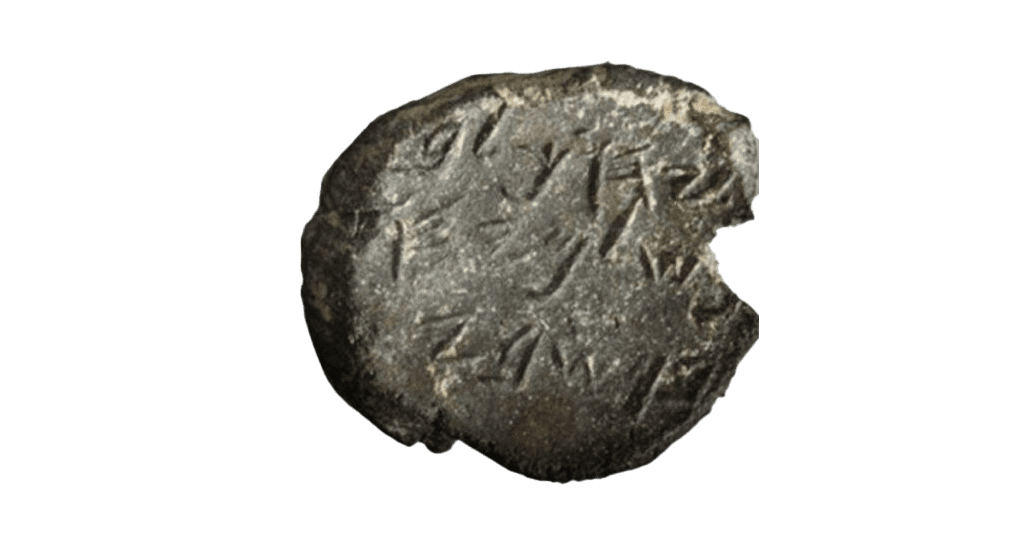
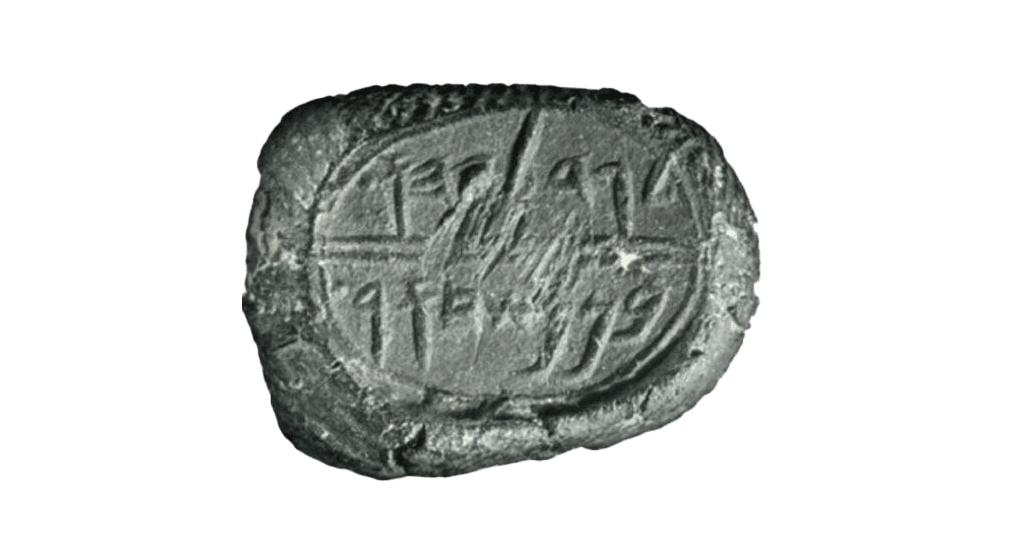
“Belonging to Nathan-Melech servant of the King.”
2 Kings 23:11
Now, for the prophet Jeremiah’s later life two clay impressions of the same seal were found on the antiquities market in the 1970s and they read, “Belonging to Berechiah, son of Neriah the scribe” Berechiah is the long form of the name Berech or Baruch, who is named as Jeremiah’s scribe all throughout his Biblical book.
Originally the authenticity of these bullae were questioned, especially because they weren’t found in an official excavation, but after an extensive evaluation in 2016 they have been seemingly cleared as authentic by experts.
Another bulla that was found on the antiquities market in 1982, may represent a challenging figure from Jeremiah’s life. It reads, “Belonging to Hananiah, son of Azariah” Azariah is the long form of the name Azar or Azur, meaning that this could be Hananiah son of Azur, the rival prophet to Jeremiah. In Jeremiah 28 this prophet takes the yoke off Jeremiah’s neck and breaks it, giving an opposing prophecy to Jeremiah’s and solidifying himself as an enemy. An interesting detail about this seal was that the writing was completely encircled by carved pomegranates, so it was a bit of a flashy style, a statement to be sure.
Finally, we have two bullae from men who were responsible for getting Jeremiah thrown into a Jerusalem cistern in Jeremiah 38. Jehucal, son of Shelemiah, whose seal impression was found in 2005 excavations, and Gedeliah, the son of Pashur, whose seal impression was found in 2007 excavations. These men were nearly responsible for Jeremiah’s death, but thankfully, he was eventually rescued from the muddy cistern.
In total we’ve looked at the seals and seal impressions of 7 more men who, for better or for worse, would have known the Biblical prophet, Jeremiah.

Corie Bobechko is a daily co-host, speaker, and writer of Bible Discovery. She also hosts a YouTube channel that shows how history and archaeology prove the Bible. Her heart for seekers and skeptics has led her to seek truth and share it with others. Corie also has a Bachelor of Theology from Canada Christian College.