


Cart 0

In Ezekiel chapter 13, Ezekiel is living in Babylon as a part of the first wave the Babylonian exile. Back home in Judah, the city of Jerusalem still stands with the Temple of God and royal family and government structure pretty much intact. Ezekiel, this exiled priest turned prophet, is told by God to address the false prophecy that is going on back in his original home, Jerusalem of Judah. He addresses both male and female prophets of Jerusalem. To the men God says that they are prophesying out of their own imaginations, they’re following their own spirits and have seen nothing. Verse 6 says damningly, “Their visions are false and their divinations a lie. Even though the LORD has not sent them, they say, “the LORD declares” and expect him to fulfill their words.” He then likens them to useless jackals living in a ruined city rather than men who take action to rebuild the fallen walls. Their outcome, Ezekiel explains, will not be good. Next Ezekiel turns to the female false prophets of Jerusalem. God says that they also prophesy out of their own imaginations, but He adds a new charge against them; he says that they sew magic charms on all their wrists and make veils of various lengths for their heads in order to ensnare people. God says that he will set the people they have ensnared free and remove these false prophetess’ powers. Verse 22 says, “Because you disheartened the righteous with your lies, when I had brought them no grief, and because you encouraged the wicked not to turn from their evil ways and so save their lives, therefore you will no longer see false visions or practice divination…” To all the false prophets, male and female, God accuses them of lying, of using their imaginations in prophesy, of having false visions, and of divination. To the men he has specifically accused them of expecting God to fulfill their words, and to the women he has accused them of using magic charms and veils to ensnare people.
“There are bowls from the Israelite…that have long spells or incantations written on the inside of them, sometimes with a drawing of the demon or spirit they are trying to repel.”
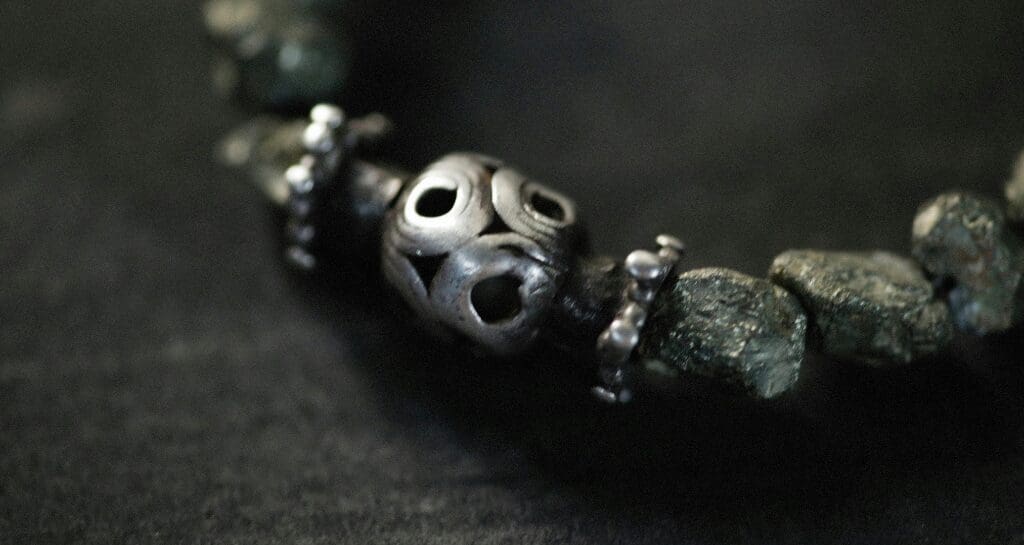
It’s not known exactly what practice Ezekiel is referring to here with the magic charms and the veils but practices like this are known in history and through archaeology. There are Babylonian incantation texts, for example, that outline a practice of wearing specially made bracelets or armbands that bound a specific person to the wearer’s will. There are bowls from the Israelite exiled communities in the Persian period, think time of the prophet Daniel or time of Esther, Ezra or Nehemiah, that have long spells or incantations written on the inside of them, sometimes with a drawing of the demon or spirit they are trying to repel. These bowls were made to solve medical issues, demonic interference, call on good spirits for protection and the like. There are many known Roman and Greek examples of amulets or objects believed to be imbued with magical or supernatural powers. Again the purpose of them is often a medical solution, or protection, or else controlling someone else’s behaviour, for example, a love spell or a curse or a prayer for judgment. In short, these magical elements were meeting practical needs in their communities, so it’s not hard to see the draw of them. A genre that I am particularly sympathetic towards personally are ancient spells to calm crying infants. In a 2016 article written by David Bosworth, he outlines some Old Babylonian and Neo-Assyrian incantations with their corresponding rituals given to exhausted, ancient parents whose children didn’t sleep through the night. Back to the magic charms in Ezekiel, I’m sure they served some sort of practical or felt need in the society at the time, but they were evil! They violated the Law of God in the name of God. We have to be so careful what we accept as from God, even if it feels good to us, or meets a need. Is it godly?

Corie Bobechko is a daily co-host, speaker, and writer of Bible Discovery. She also hosts a YouTube channel that shows how history and archaeology prove the Bible. Her heart for seekers and skeptics has led her to seek truth and share it with others. Corie also has a Bachelor of Theology from Canada Christian College.