Cart 0

Of all the Old Testament books, Joel is one of the shortest containing approximately 2,230 words. In fact, it can be read in less than 20 minutes by the average reader. But don’t let this bite-sized book fool you because it is packed full of interesting imagery, prophecy, eschatology, theology, astronomy, and mystery that scholars have been chewing on for centuries. Even today there are some unknowns when it comes to Joel’s book.
1. Time Period Unknown
One mystery is that unlike most of the other prophetic books, Joel gives no chronological markers to indicate when his prophecies were given. So scholars are forced to rely on clues from within the text itself. But there is not much to go on, and so various dates have been proposed ranging all the way from the ninth to the second centuries BC. Even though there is no consensus on when it was written, the good news as John Calvin pointed out, is that
2. Real or metaphorical locusts?
Another unanswered question is regarding the identity and nature of the army invading the land of Judah in Joel chapters 1-2. They are referred to as locusts which has caused an interpretive challenge. Is Joel using imagery or is he being literal? Some scholars understand this invasion as a real plague of locusts. But others see it merely as a metaphor for a human army (perhaps the Assyrians or Babylonians). So which interpretation is correct? Fairly good cases can be made for both views but there is a third way to interpret Joel 1-2 which would seem solve this dilemma. As some scholars have pointed out, chapters 1 and 2 appear to be describing not a single event but two: Chapter 1 a literal locust invasion and chapter 2 a human invasion. Evidence that these are indeed two separate events is found in the timing of them. Notice that Joel seems to be describing the locust plague in chapter 1 as a past event. But in chapter 2 the invasion Joel was warning the people about hadn’t happened yet.
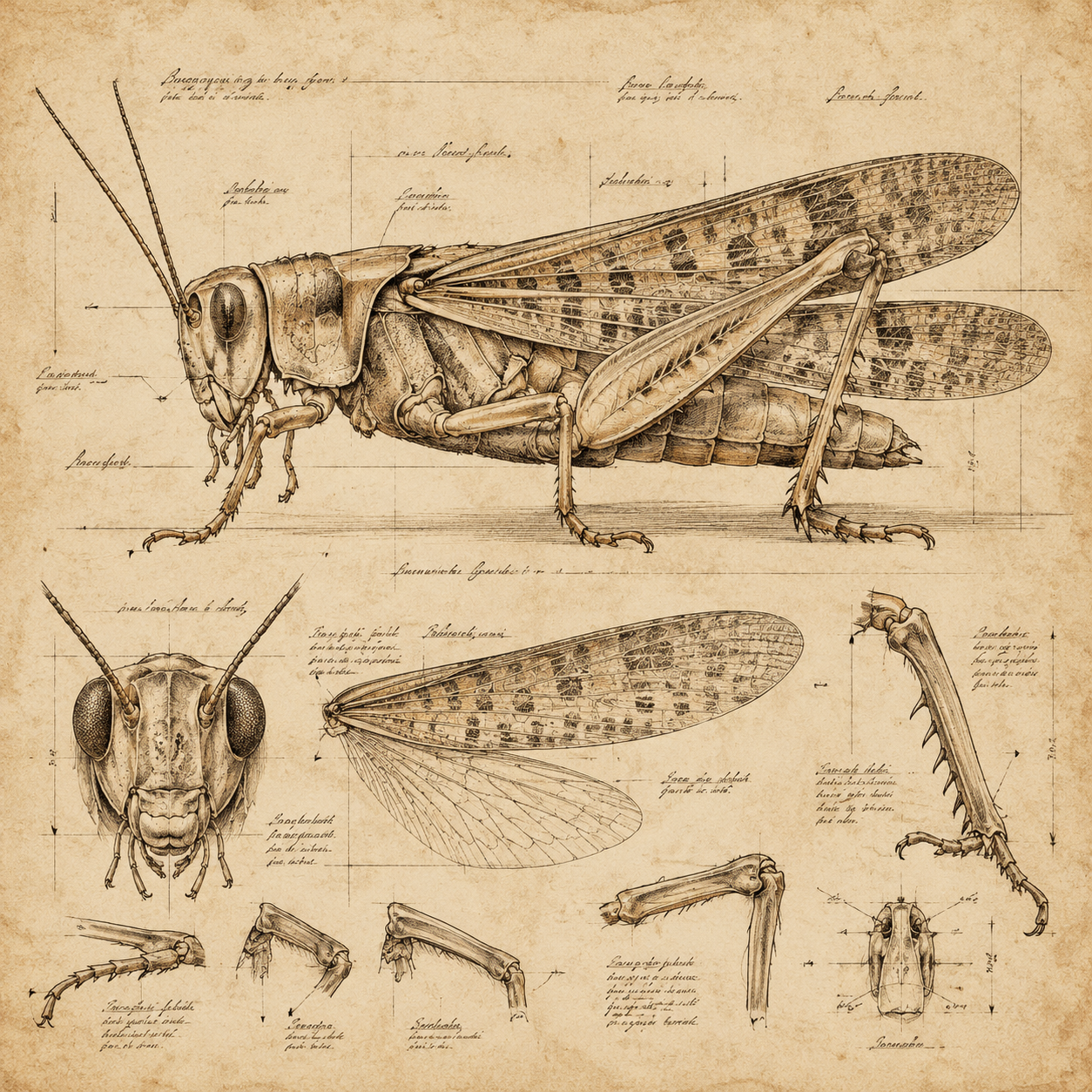
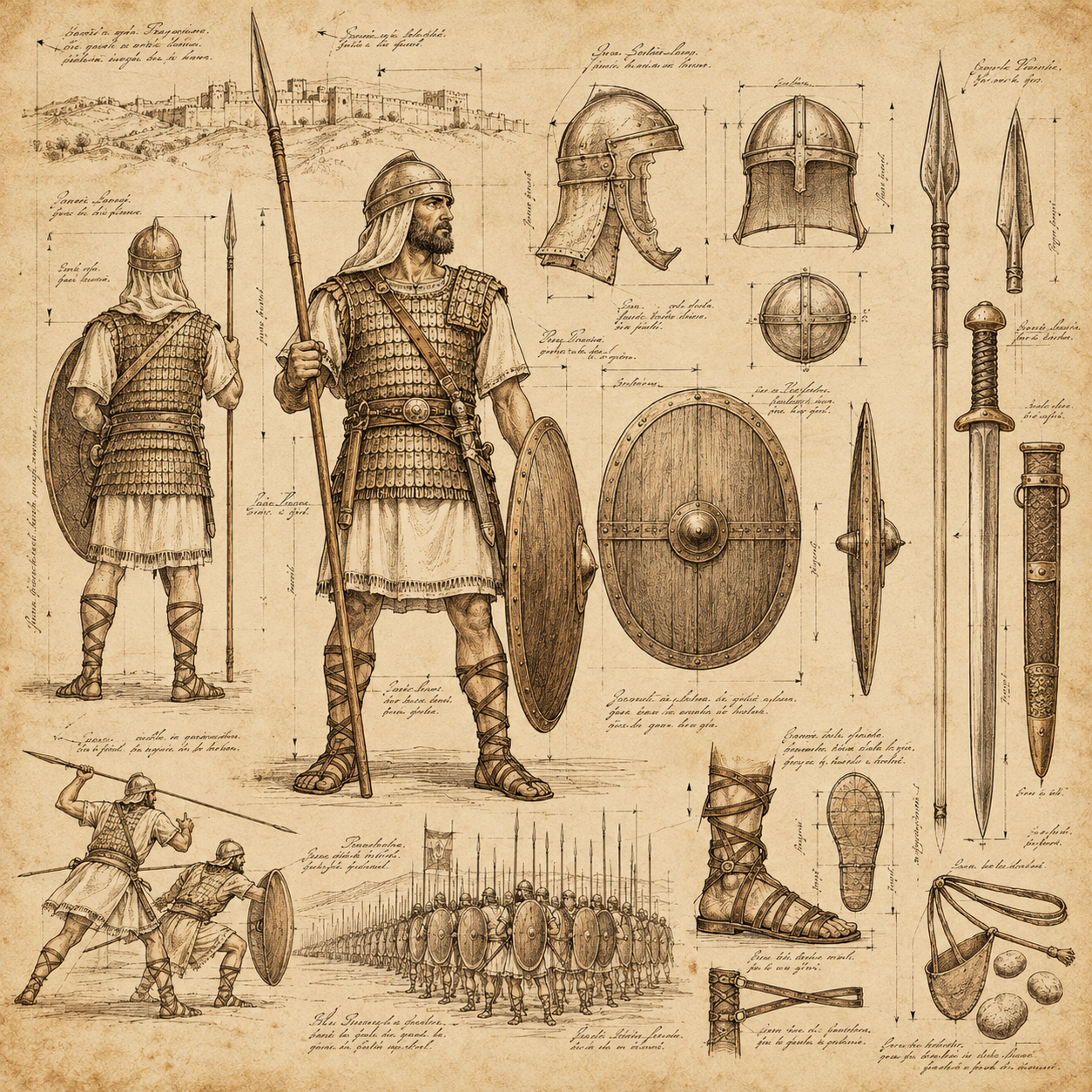
Both the locust and human armies “were instruments of the Lord’s judgment—one past, the other future. Locusts had come—more ‘locusts’ were coming!”
3. What is the “day of the LORD”?
A third mystery of Joel is his use of the phrase “day of the LORD.” He uses this expression five times and while this is certainly a recurring theme throughout the entire Bible, it is central to the book of Joel. But just what is the day of the Lord? For most of us, these words immediately evoke imagery of God’s final judgment of the world. But it’s actually more than that. Biblically speaking, the “day of the LORD” refers to any occasion on which God intervenes in history to swiftly conquer His foes. Indeed, “the expression itself is ultimately derived from the idea, prevalent in the ancient Near East, that a mighty warrior-king could consummate an entire military campaign in a single day….” By this definition there have been many days of the Lord including the destruction of the Northern and Southern Kingdoms of Israel, Babylon’s defeat of Egypt, and the fall of Babylon among others. And, yes, all of these days of the Lord prefigure that final “day of the LORD” when Jesus Christ will return to annihilate evil once and for all and reign victorious forever with His people. This is certainly Joel’s understanding who prophesied of that final “day of the LORD” but also wrote about how his generation barely escaped their own “day of the LORD.”

Ryan Hembree is a daily co-host, speaker, and writer of Bible Discovery. He also hosts a YouTube channel that shows the unity of the Bible and how science and Scripture fit together. Ryan also has an honorary Masters of Ministry in Creation Science from Phoenix University of Theology.
[1] This is a count of the original Hebrew words.
[2] Willem VanGemeren, Theological Interpretation of the Old Testament, Joel, P.251, General Editor Kevin J. VanHoozer.
[3] One of the main theological points of Joel is God’s sovereign work in history.
[4] Robert B. Chisholm, Jr., The Bible Knowledge Commentary: Old Testament, Joel, Introduction, P.1410-12, General editors John F. Walvoord and Roy B. Zuck.
[5] The reason Joel describes these two events in such similar terms is likely to compare the coming judgment with the past one which completely destroyed them. Joel is calling the people to repent so maybe God will relent from the impending disaster (see Joel 2:12-17).
[6] Robert B. Chisholm, Jr., The Bible Knowledge Commentary: Old Testament, Joel, Introduction, P.1412, General editors John F. Walvoord and Roy B. Zuck.
[7] Ibid.