


Cart 0
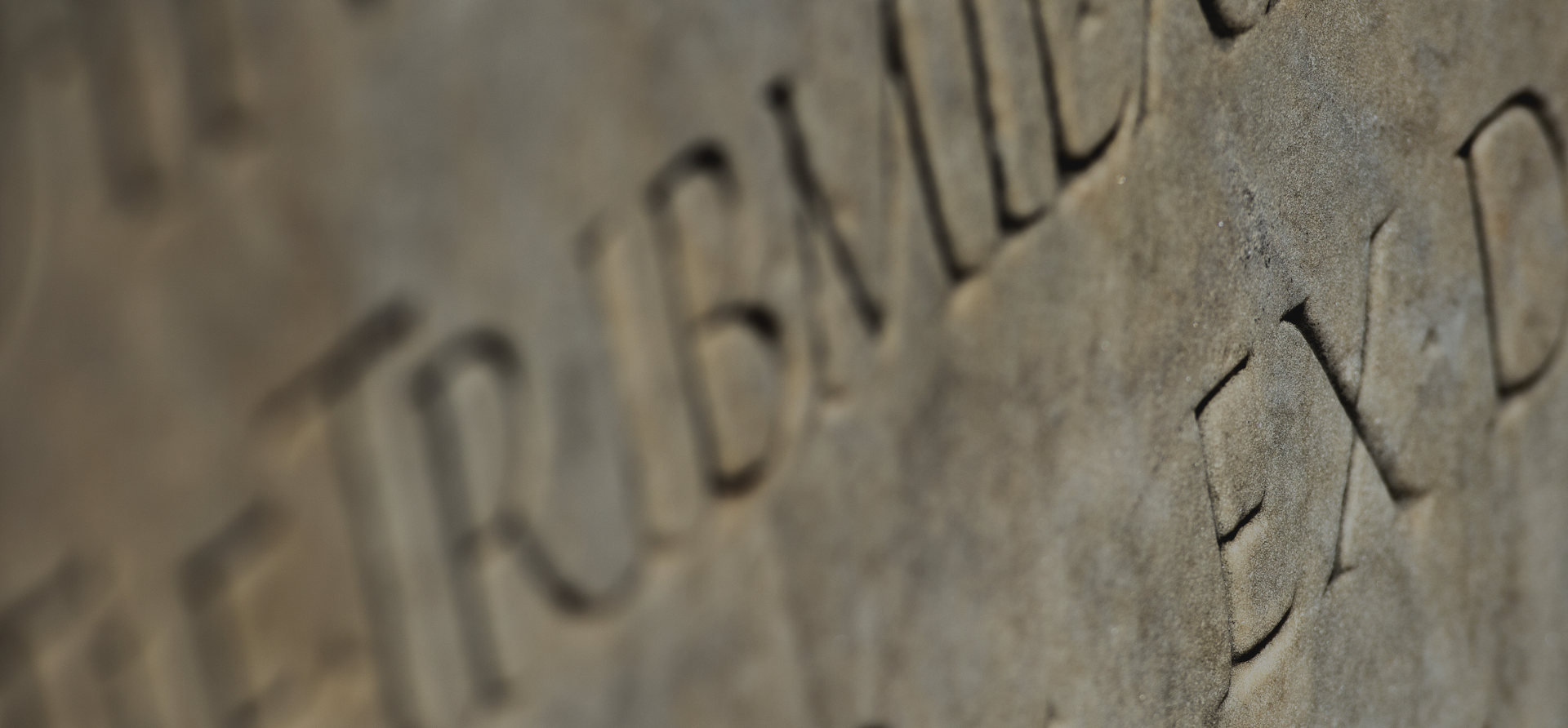
An ancient Greek inscription, today called the Nazareth Inscription, may be a response of the Roman Empire to claims of the resurrection of Jesus Christ. This marble inscription was bought on the antiquities market to a private collection in 1878, then bought by the Paris National Library in 1925 where it finally received scholarly translation and attention. The inscription says:
1. EDICT OF CAESAR. [translation of Clyde E. Billington]
2. It is my decision [concerning] graves and tombs—whoever has made
3. them for the religious observances of parents, or children, or household
4. members—that these remain undisturbed forever. But if anyone legally
5. charges that another person has destroyed, or has in any manner extracted
6. those who have been buried, or has moved with wicked intent those who
7. have been buried to other places, committing a crime against them, or has
8. moved sepulcher-sealing stones, against such a person I order that a
9. judicial tribunal be created, just as [is done] concerning the gods in
10. human religious observances, even more so will it be obligatory to treat
11. with honor those who have been entombed. You are absolutely not to
12. allow anyone to move [those who have been entombed]. But if
13. [someone does], I wish that [violator] to suffer capital punishment under
14. the title of tomb-breaker.
The scenario described by the inscription seems peculiar for a few reasons: it seems to work well only in a Jewish family tomb scenario. The most common method of gentile greek and Roman burials was actually the interment of cremated remains, in individual graves or mausoleums located in cemeteries; there is no known example of a Roman family tomb.
Sealing stones were also only used in Jewish family tombs from before AD70, when the fall of Jerusalem changed all aspects of life in Judea.
Also peculiar is the crime being described, bodies are being moved with malicious intent. Not sold or defaced, simply moved. If this inscription was issued in Nazareth, where Jesus was known to be from, before AD70, that places it in the perfect time and place to be compared with the rapidly growing Christian movement.
Christian Jews claimed Jesus had risen from the dead, the high priests on the other hand yelled “stolen body”. Perhaps Rome responded to the debate by clarifying their position, extreme penalties for moving bodies out of their final resting places.

Corie Bobechko is a daily co-host, speaker, and writer of Bible Discovery. She also hosts a YouTube channel that shows how history and archaeology prove the Bible. Her heart for seekers and skeptics has led her to seek truth and share it with others. Corie also has a Bachelor of Theology from Canada Christian College.
[1] http://www.biblearchaeology.org/post/2009/07/22/The-Nazareth-Inscription-Proof-of-the-Resurrection-of-Christ.aspx
[2] as above