


Cart 0
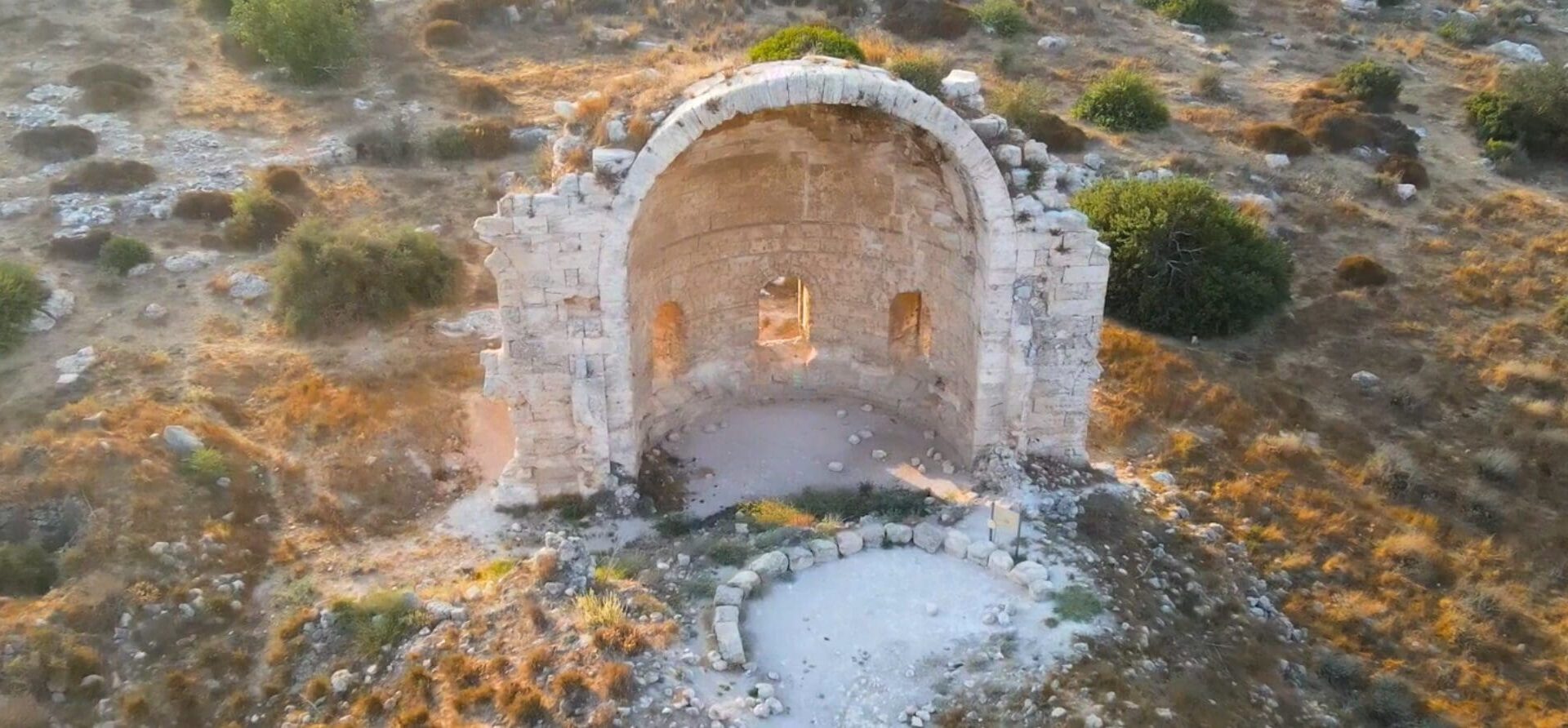
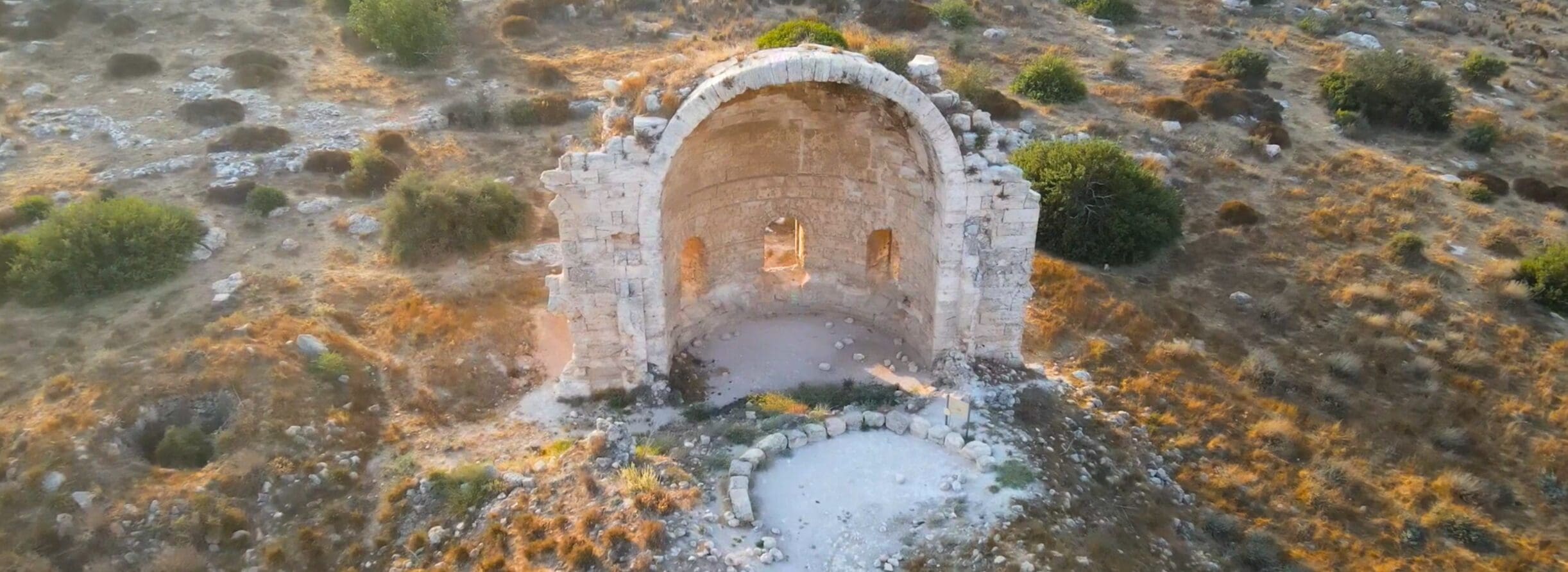
I want to bring to your attention to an archaeological site called Tel Mozah that is extremely close to ancient Jerusalem. This site speaks to the organization of ancient Judah, it potentially provides evidence for an early centralized kingdom – think time of King Solomon and Rehoboam, and it also speaks to the official religion of Judah – which was not just Temple worship in Jerusalem. In the Bible, Joshua 18:25 lists Mozah as a town belonging to the tribe of Benjamin. Several seasons of excavations there began way back in 1993, and the recent excavators have set up a website for it telmoza.org, where we can see the last season listed was in 2023, and we are still waiting for those findings to be published as of mid 2026. Here’s my overview of what has been found:
“These are important data points because the temple of Mozah is believed to have been constructed and maintained in those early days of Judah – right when the Bible says stuff like that was going down.”
Remains from the entire period of the Iron Age were found, demonstrating continuous occupation from the 10th Century BC, think time of David/Solomon, to the Babylonian destruction of 586BC1, so the entire period of the biblical kings of Jerusalem. Multiple grain silos were found as well as a large building filled with storage jars2, that paired with Mozah’s well-watered geography led researchers to conclude that it was an agricultural center. Because it was only 7km or just over 4 miles to ancient Jerusalem a royal connection is hard to dismiss. The bombshell finds, however, came in 2012 with the discovery of a cult center or temple at Mozah. It has been labelled a temple because of its monumental architecture, it’s a big building, with a layout that seems similar to other Ancient Near Eastern temples: It has an east/west orientation, with a courtyard entrance in the east flanked with two columns – only one column base was found but the other side of the Mozah courtyard did not survive, so the guess is that it was originally symmetrical. The courtyard entrance goes into a rectangular building that is divided into at least two areas, one of them being a holier area, a “holy of holies” if you will. At Mozah this separation might be represented by an elevated area with a different floor type found near the back of the building. Five large fieldstones were found inside that may have been used as masseboth, or sacred standing stones. In the courtyard a few structures were found: an altar built of unhewn stones, a refuse pit containing ash, pottery sherds, and animal bones that were all of Biblically “clean” animals which means they could be acceptably sacrificed, and what the researchers are calling a podium, or an offering table. A roughly 3 foot by 2 foot rectangle built of stones and about a foot high. On the floor in front of it archaeologists found broken religious artefacts, in their words, “The cultic assemblage included many bowls, chalices/stands, jars and juglets, as well as special artifacts such as four figurines…fragments of a large cult stand decorated with a pair of sphinxes or lions formed in low relief, and pendants (one shaped like a pomegranate).” What’s very interesting is that all of these religious artefacts seem to have been intentionally broken and placed in front of the offering table before the entire courtyard, altar and all were covered over with a thick layer of dirt and plaster; buried and sealed. The building then continued to be in use, but as of 2020, there was no evidence that it continued to be a temple, the most recent excavations were hoping to find evidence to speak to this, but again, we’re waiting for them to be published. I believe that the findings at Tel Moza do fit in well with the Biblical narrative. We are told in 1 Kings 11that King Solomon, who built the Temple to God in Jerusalem, also built other centres of worship throughout Judah, against his own earlier prohibition. We’re also told in 1 Kings 14 and 15 that Solomon’s son, King Rehoboam and his son King Abijah did the same. These are important data points because the temple of Mozah is believed to have been constructed and maintained in those early days of Judah – right when the Bible says stuff like that was going down. The later intentional decommissioning of the Mozah temple also fits, we are given the names of two Kings of Judah who tried to reform Judah’s worship practices, Hezekiah and Josiah. So, for me, Tel Mozah goes along well with the Biblical narrative, but the lead excavators disagree with me, for them Tel Mozah provides evidence against the Biblical narrative – but we’ll save that for the next segment.

Corie Bobechko is a daily co-host, speaker, and writer of Bible Discovery. She also hosts a YouTube channel that shows how history and archaeology prove the Bible. Her heart for seekers and skeptics has led her to seek truth and share it with others. Corie also has a Bachelor of Theology from Canada Christian College.