


Cart 0
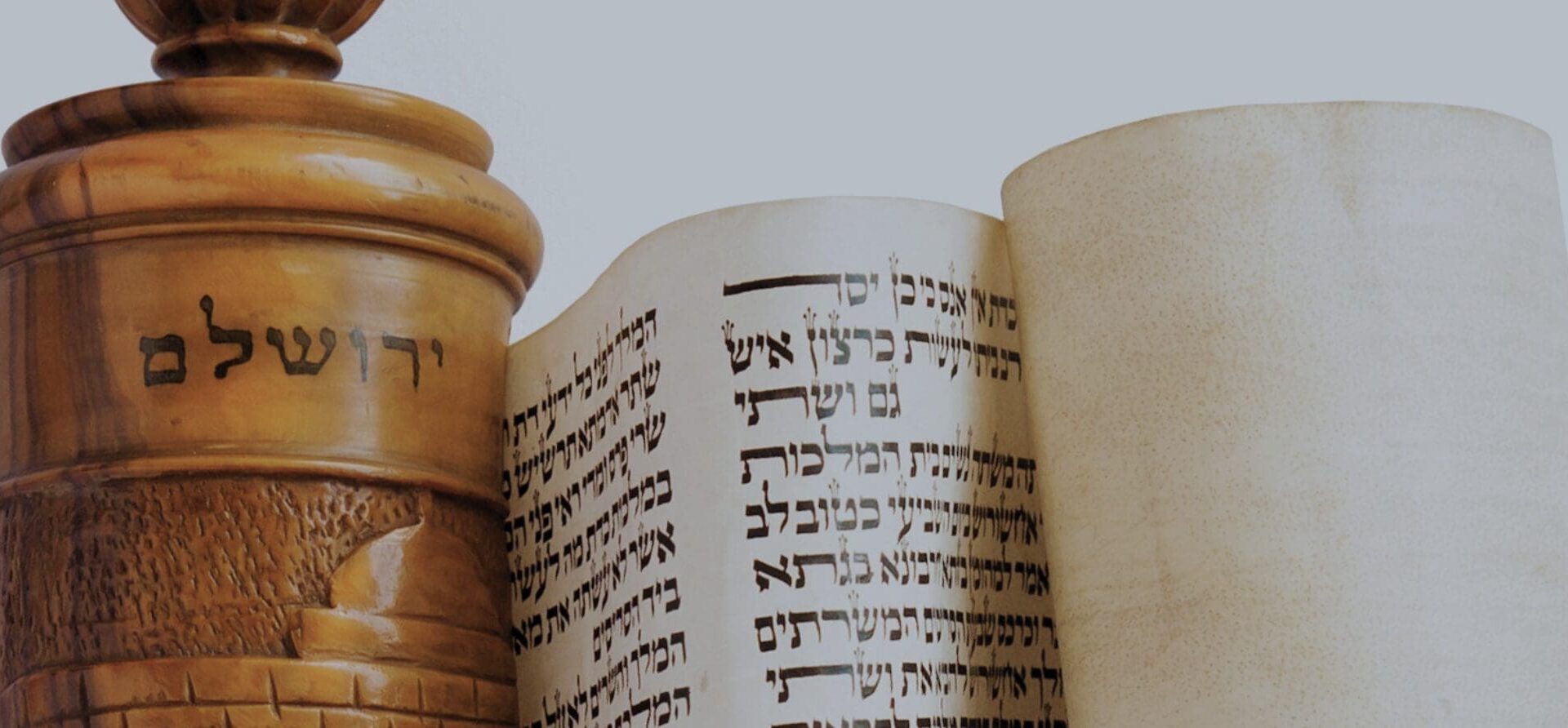
The book of Esther belongs to the time period of the Persian Empire, along with Ezra, Nehemiah, Haggai, Zechariah, and Daniel, representing the last portions of history recorded in the Old Testament. It is a strange fact that while the book can be seen as intensely religious, with its theme of God’s providence moving in unconventional ways to provide deliverance for His people, the book also does not contain a specific reference to God or His name. Prayer and fasting is the closest it gets (Esther 4:16).
The end result of the book was a new festival on the Jewish calendar, named Purim after the lots that the enemy of the Jews cast to determine the date of their persecution. Historically, Esther has caused controversy, with some prominent teachers and historic rabbi’s rejecting it: The main crux of the problem being the lack of God’s name in the text, the seemingly sacrilegious marriage between a Jew and the pagan king Artaxerxes, and more recently the differences between the Septuagint text and the Masoretic text of Esther.
“Historically, Esther has caused controversy, with some prominent teachers and historic rabbi’s rejecting it”
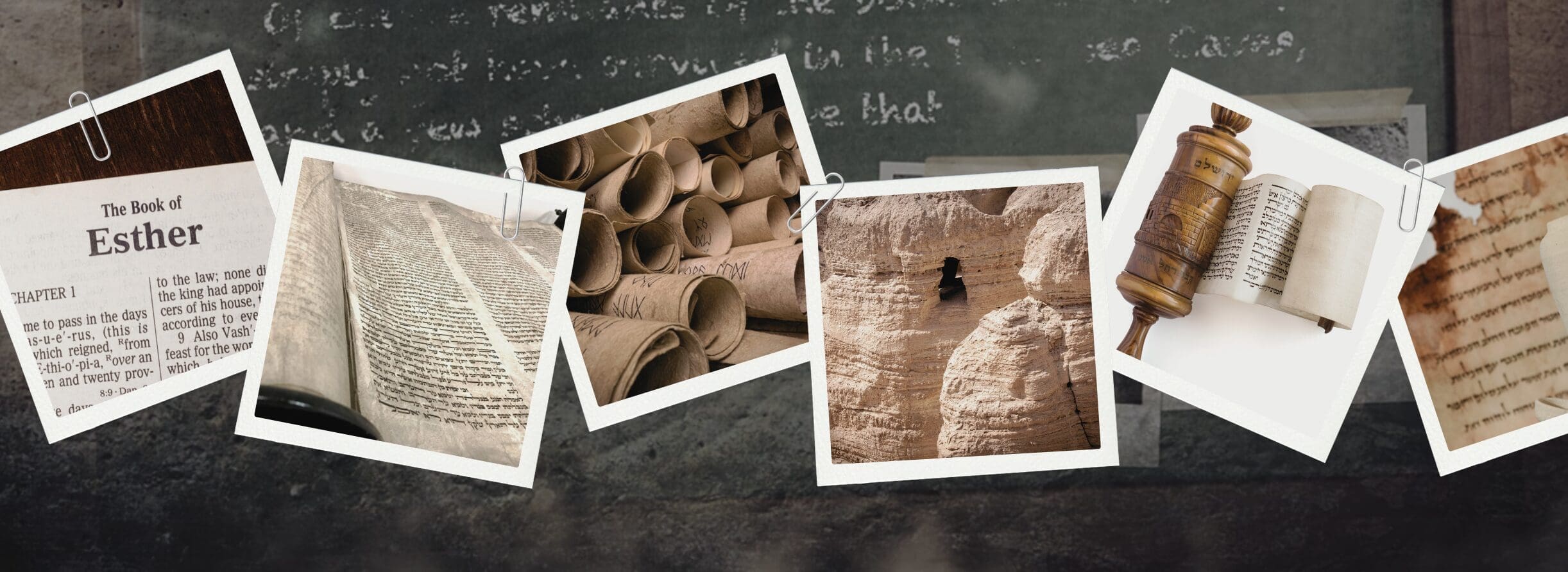
Enemies of Esther have found more fuel in their quest to abandon the text with the discovery of the Dead Sea Scrolls. Fragments from this ancient library (150BC – 68AD), represent every book of the Bible except for Esther. Of course, remnants of Esther may simply not have survived in the Dead Sea Caves, and a few scholars believe that a type of proto-Esther is represented in the scrolls.[1] The prevailing opinion, however, is that Esther was left out of the Dead Sea Scrolls for theological reasons.
The Dead Sea Scrolls originated from the Qumran community, a more radical sect of Judaism that believed very strongly in separating themselves from the impurity of the culture of their time. A discovery of a religious calendar among the scrolls shows that they did not celebrate or observe Purim.[2] With Esther’s pagan setting, unlawful marriage, and lack of God’s name, it is not surprising that they separated themselves from it, as well. Modern theology need not follow their example however, as they were but one of many smaller sects of Judaism alive in Jesus’ day, the others clearly did accept and pass along the words of Esther and the feast of Purim.
[1] https://members.bib-arch.org/bible-review/12/5/11
[2] https://members.bib-arch.org/bible-review/15/4/1

Corie Bobechko is a daily co-host, speaker, and writer of Bible Discovery. She also hosts a YouTube channel that shows how history and archaeology prove the Bible. Her heart for seekers and skeptics has led her to seek truth and share it with others. Corie also has a Bachelor of Theology from Canada Christian College.