Cart 0
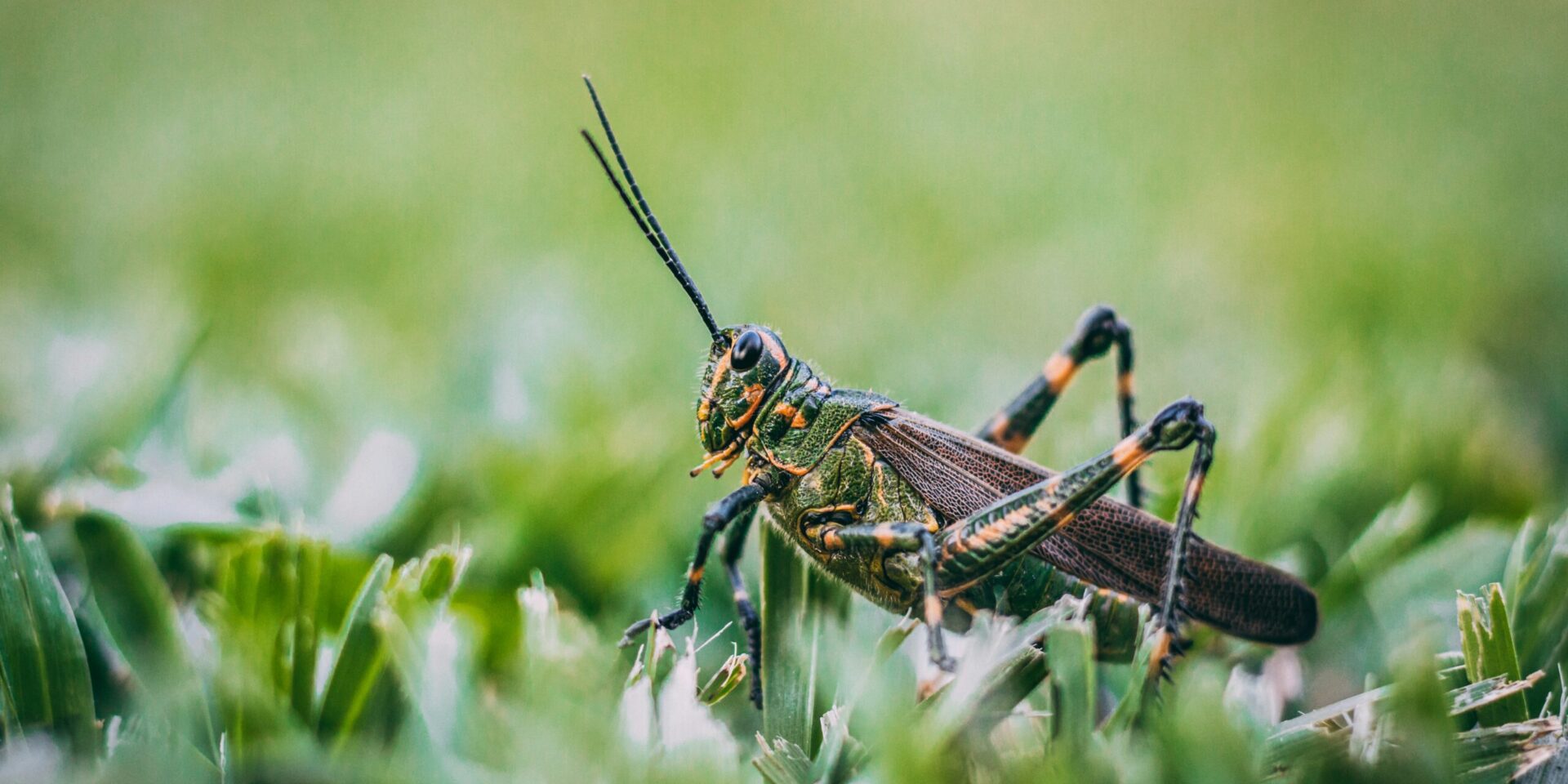
In Joel 1:4 and 2:25 an insect invasion of the land is mentioned. And while most English versions of the Bible identify this as strictly a locust invasion, in Hebrew four different types of insects are referred to. But most scholars and translators think these different Hebrew words are all synonymous with locusts and so translate it that way. As one scholar explains, “The four different Hebrew words for locusts that appear in v.4 probably are used to indicate the intensity of the plague and a successive series of locusts that had devastated the land.” For example, the New King James reads: “What the chewing locust (Heb. Gāzām) left, the swarming locust (Heb. ‘arbê) has eaten; What the swarming locust left, the crawling locust (Heb. yeleq) has eaten; And what the crawling locust left, the consuming locust (Heb. ḥāsîl) has eaten.” (Joel 1:4) However, there are a few Bible translators that think that these are indeed different insects. For example, the translators of the King James Version, the American Standard Version, and the Geneva Bible all identify these four types of insects as a palmerworm, a locust/grasshopper, a cankerworm, and a caterpillar.
Of course, identifying the specific type of insect or insects isn’t as important as the point God is making to Joel’s readers. As the renowned Bible commentator Matthew Henry said, though “We cannot now describe how these differed one from another; they were all little insects, any one of them despicable, and which a man might easily crush with his foot or with his finger; but when they came in vast swarms, or shoals, they were very formidable and ate up all before them. Note, God is Lord of hosts, has all creatures at his command, and, when he pleases, can humble and mortify a proud and rebellious people by the weakest and most contemptible creatures. Man is said to be a worm; and by this it appears that he is less than a worm, for, when God pleases, worms are too hard for him, plunder his country, eat up that for which he laboured, destroy the forage, and cut off the subsistence of a potent nation. The weaker the instrument is that God employs the more is his power magnified.”
That God brought this plague upon His people is not at all surprising. In fact, it is a fulfillment of Deuteronomy 28 when God promised to bless His people if they obeyed Him but promised to curse them if they turned away. And a locust plague is specifically mentioned as one of the curses! (v. 42) Interestingly, God does not want His people to forget about this locust plague as He makes clear in Joel 1:3: “Tell it to your children, and let your children tell it to their children, and their children to the next generation.”
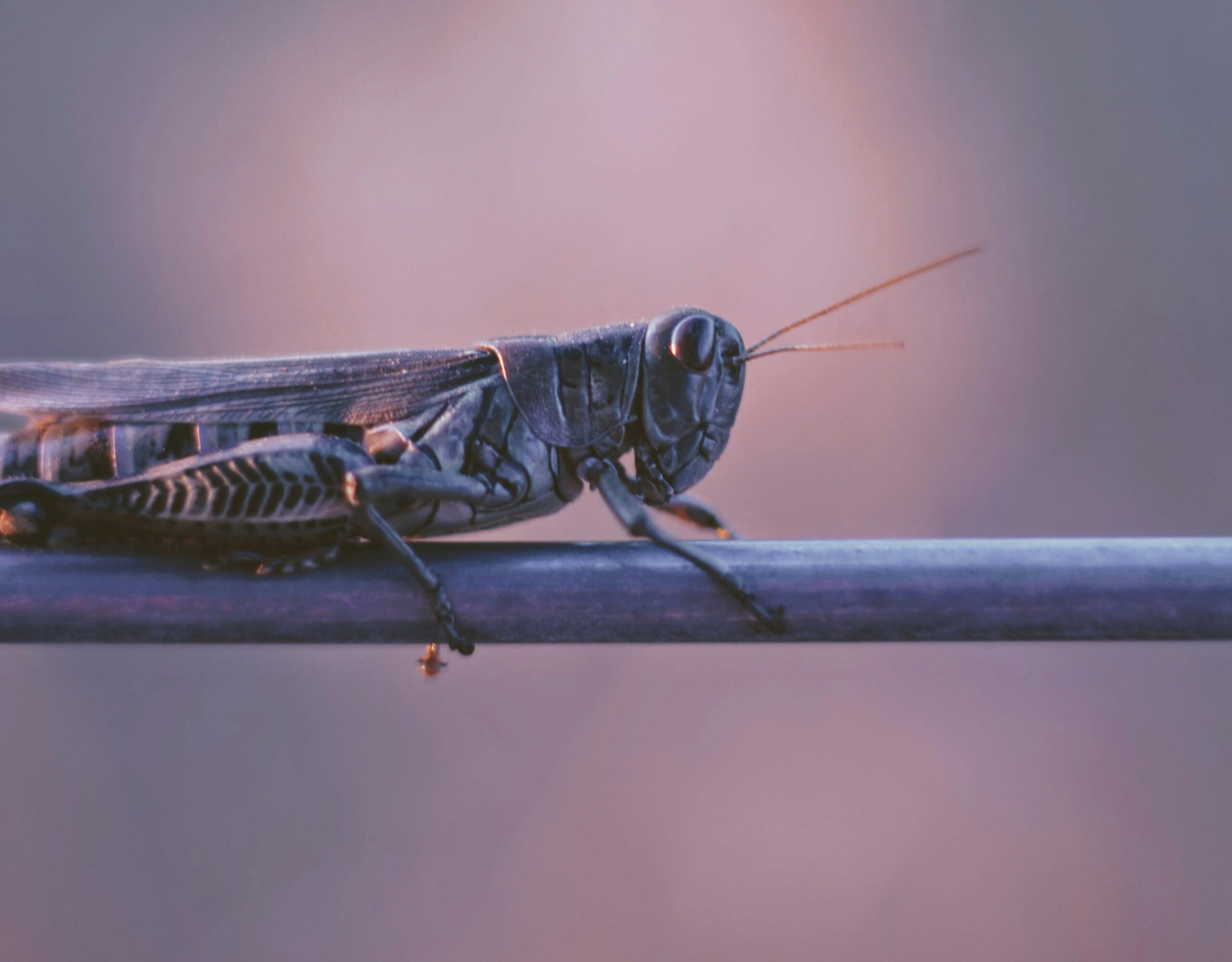
This is an important reminder for us today as parents to not only teach our children about the mercies of God but also about His judgment of sin. As Matthew Henry put it so eloquently, “We ought to transmit to posterity the memorial of God’s judgments as well as of his mercies.” Yes, God is merciful and slow to anger but He also does not tolerate ongoing sin. That’s why Joel calls us all to turn to the Lord and repent: “So rend your heart, and not your garments; return to the LORD your God, for He is gracious and merciful, slow to anger, and of great kindness; and He relents from doing harm.” (Joel 2:13)

Ryan Hembree is a daily co-host, speaker, and writer of Bible Discovery. He also hosts a YouTube channel that shows the unity of the Bible and how science and Scripture fit together. Ryan also has an honorary Masters of Ministry in Creation Science from Phoenix University of Theology.
[1] Ron Hembree, NIV Quick Study Bible, Proverbs: An Ancient Poor Richard, P.809.
[2] John MacArthur, NKJV MacArthur Study Bible, 2nd Edition, Note on James 1:5.
[3] Sid S. Buzzell, The Bible Knowledge Commentary: Old Testament, Proverbs, P.902, John F. Walvoord and Roy B. Zuck general editors.