


Cart 0
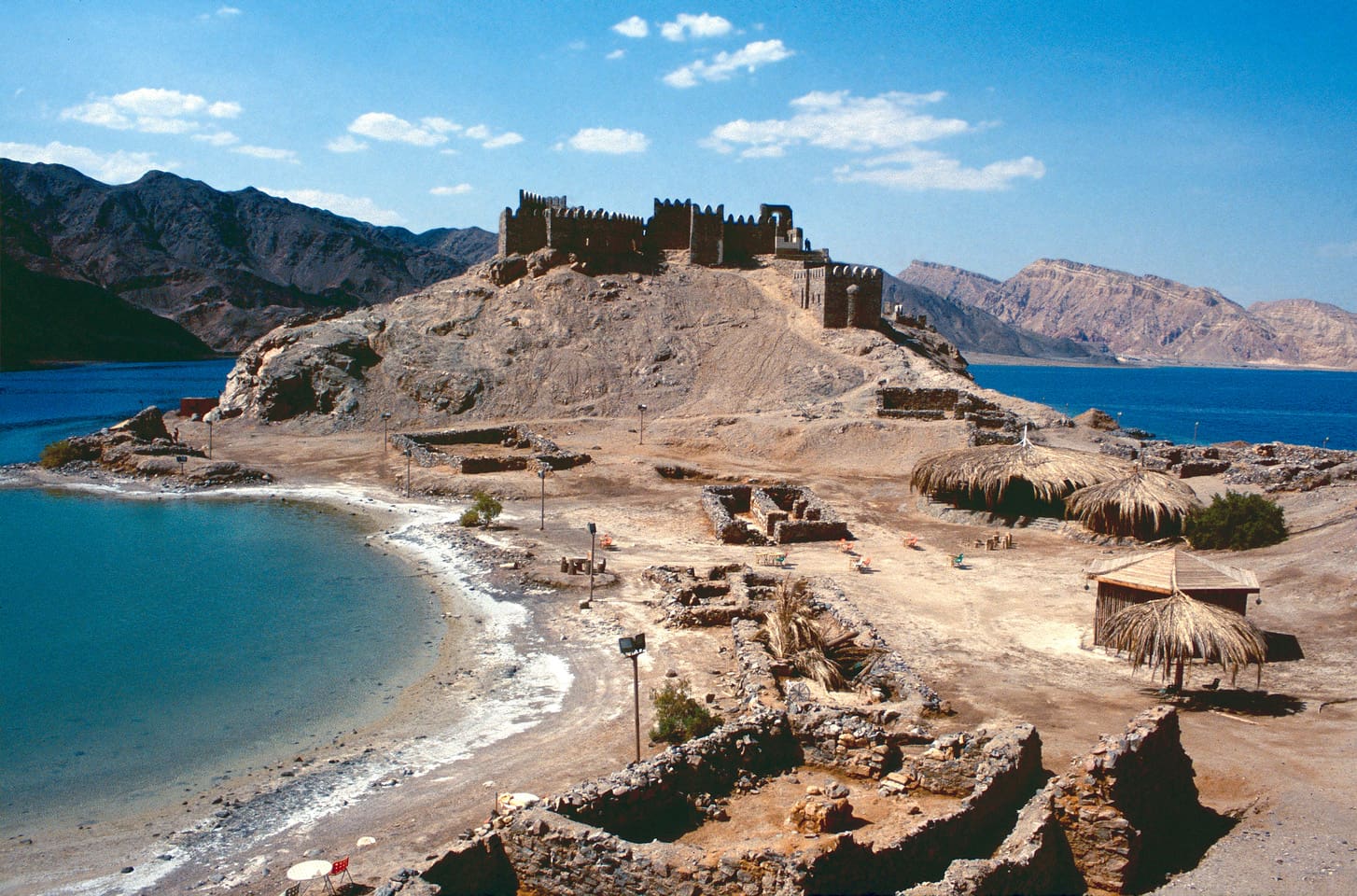
There has been some really interesting historical work done on Elephantine, which is an island in the Nile River in Southern Egypt. This historical research was sparked by the discovery, translation, and publishing of about 175 ancient documents and fragments called the Elephantine Papyri between roughly 1893-1953. These texts revealed the existence of a fortress on Elephantine that had a Jewish population and a Temple to Yahweh. According to Bezalel Porten, a scholarly authority on the Elephantine Papyri, the Jewish population of Elephantine were Judean military men sent from King Manasseh who settled there around 650 BC. Here’s a quote from Porten’s 1995 article, “A fair implication from the historical documents,i including the Bible, is that Manasseh sent a contingent of Jewish soldiers to assist Pharaoh Psammetichus I (664–610 B.C.E.) in his Nubian campaign and to join Psammetichus in throwing off the yoke of Assyria, then the world superpower. Egypt gained independence, but Manasseh’s revolt failed; the Jewish soldiers, however, remained in Egypt. Herodotus reports that in the reign of Psammetichus, garrisons were posted at Elephantine, Daphnae and Marea.” So now we have a community of Jews descendant from military men living on an Egyptian island. But what about their Temple? We know from the papyri that the temple faced East to Jerusalem, had a pillar as its main installation, and there the people offered incense, grain offerings and burnt offerings – as in animal sacrifices.
“…texts revealed the existence of a fortress on Elephantine that had a Jewish population and a Temple to Yahweh”.
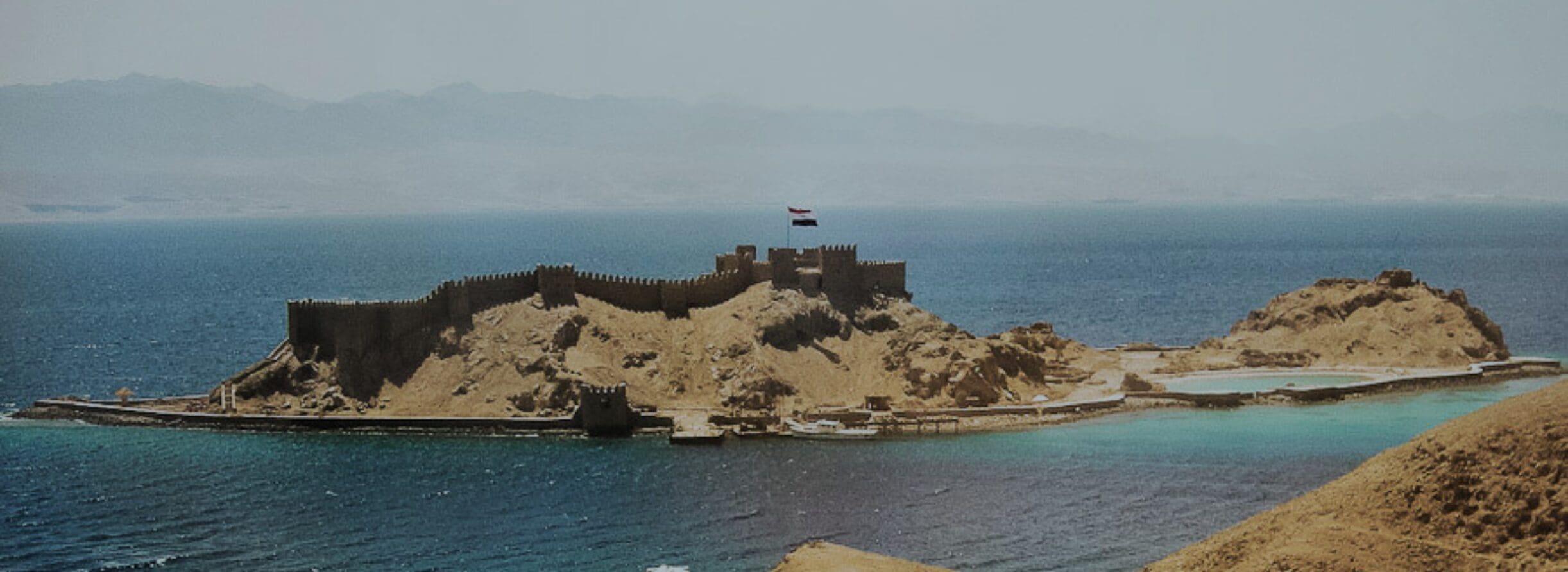
Deviant Judean worship practices aren’t surprising to readers of the Bible, we know that even good and godly kings of Judah often didn’t tear down high places, which were centres for spiritual deviancy. However, the Elephantine temple deserves a closer look, it’s not just another high place: especially intriguing is Porten’s theory that perhaps the people saw their temple as a fulfillment of Isaiah 19:19 that says, “In that day there will be an altar to the LORD in the midst of the land of Egypt, and a pillar to the LORD at its border.” Certainly, the timing is right: Isaiah prophesied immediately before the reign of King Manasseh. Porten takes this theory one step further when he says, “Manasseh’s reign was accompanied by much bloodshed (2 Kings 21:10–16) and it may be surmised that priests as well as prophets opposed his paganization. Some of these priests fled to Egypt, joined the Jewish garrison at Elephantine, and there inspired by Isaiah’s prophecy…erected the Temple to YHW.” It is certainly true that Elephantine was a border fortress. One of the Elephantine papyri is a letter written to Johanan the high priest of Jerusalem, who is known from the Bible in Ezra 10 and Nehemiah 12, and Bagohi, the governor of Jerusalem. Bagohi likely took charge of Judah after Nehemiah. The letter also mentions Sanballet governor of Samaria also featured in the Biblical book of Nehemiah. The letter was a plea to these officials to write the King of Persian to allow the rebuilding of the Elephantine Temple to Yahweh. It had been destroyed by a disgraced Persian governor and the Egyptian priests of a neighboring temple. Judah’s officials did this for their brothers in Elephantine but with one caveat – no more blood sacrifices – only grain and incense were to be offered, sin offerings would be kept to the Jerusalem Temple. On this, Porten again brings up a potential Biblical justification from Malachi 1:11 where God says this, “For from the rising of the sun to its setting my name will be great among the nations, and in every place incense will be offered to my name, and a pure offering. For my name will be great among the nations…” According to other mentions in the elephantine papyri the temple there was indeed rebuilt.

Corie Bobechko is a daily co-host, speaker, and writer of Bible Discovery. She also hosts a YouTube channel that shows how history and archaeology prove the Bible. Her heart for seekers and skeptics has led her to seek truth and share it with others. Corie also has a Bachelor of Theology from Canada Christian College.